Montessori Curriculum

Adults work to finish a task, but the child woks in order to grow, and is working to create the adult, the person that is to be.

Maria Montessori

As with any Ivy League school, the curriculum is the basic framework of the education model. At Montessori Ivy League, we have incorporated this model in the Montessori method. The method, of course, is based on the experimental observation of children to bring about self-directed learning and support their genuine natural way of being, what Dr. Maria Montessori referred to as “the child’s true normal nature” in 1907. To keep true to this method, the teacher recognizes that there is an inner guidance that is directing the child perfectly. Hence, one of the roles of the teacher is to ensure that this path is without obstacles, and that the environment is free to us by the child.

Language

In Montessori, writing comes before reading. The children discover writing with drawing and forming letters.

Mathematics

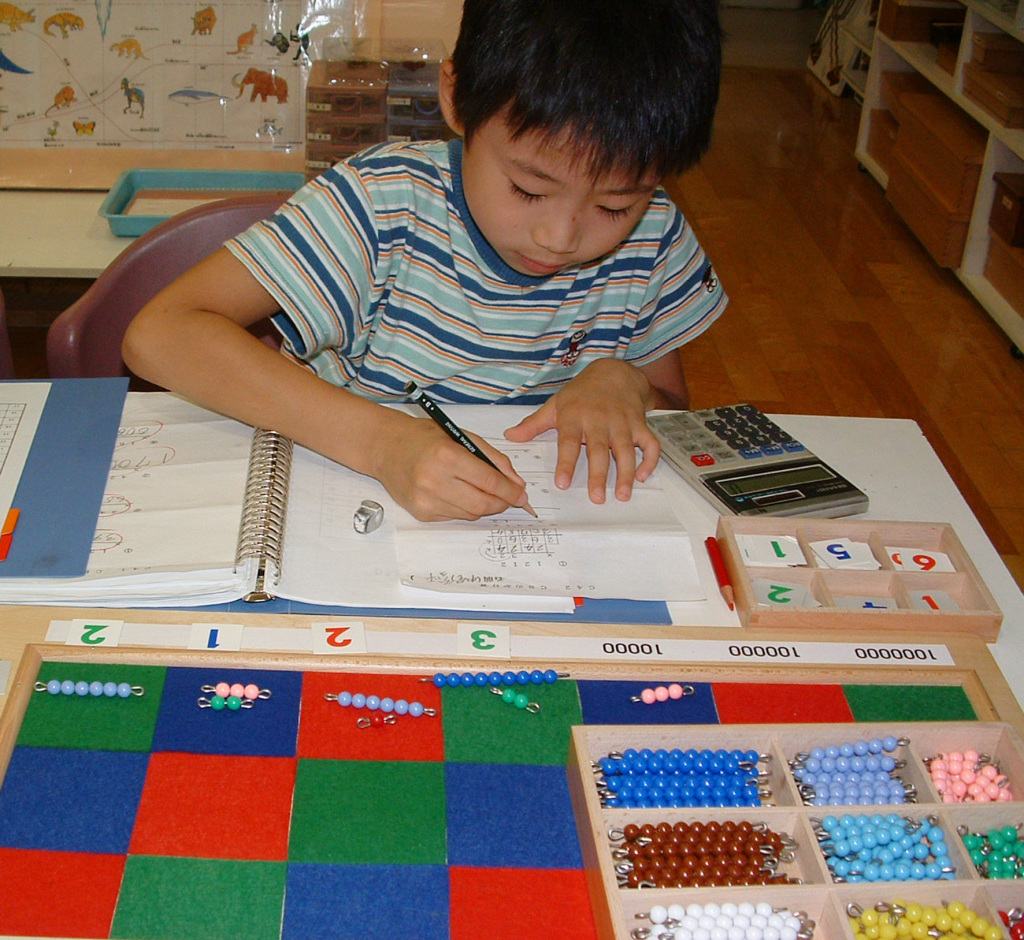
The Montessori math lessons lead the child through progressive hands-on activities, emphasizing concepts while preparing the child for abstractions.

Art

The activities aim to provide the child experiences in painting, drawing, sculpting, and , craft-making.

Music

Students are presented musical concepts and musical performances. Characters and simple stories are used to introduce children to composers and musical style periods.

Geography

Geography is the study of place and how humans have adapted to all of Earth’s environments.

Science

Science give children as many real, hands-on experiences as possible before introducing abstract concepts like naming and classification.

Peace Curriculum

Maria Montessori was a citizen of the world. Her timeless and enduring work shows us that children nurtured in body, mind, and spirit, would guide humanity toward a more peaceful world.

Practical Life

The exercises of Practical Life provide the foundation for all other activities in the Montessori classroom, fulfilling the child’s plea: “Help me to do it myself!”

Sensorial

Children from birth to age six are in their “sensitive period” for exploring the world through their senses.